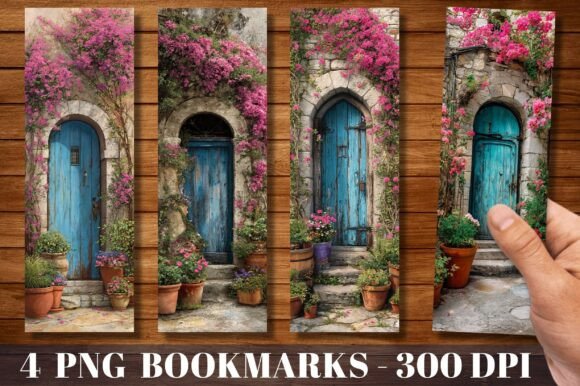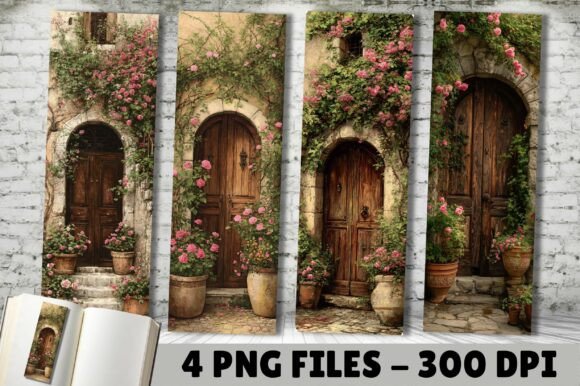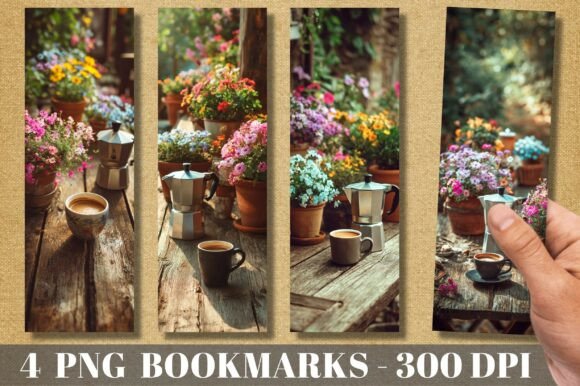
Rustic Garden Coffee Moka Pot Bookmark: A Designer's Asset
In the world of graphic design, where every pixel and palette choice communicates a message, finding assets that blend aesthetic charm with practical application is a significant advantage. The Rustic Garden Coffee Moka Pot Bookmark is one such asset, offering a unique visual story that can elevate a wide range of creative projects. This digital design element, available as a set of high-resolution PNG files, provides more than just a placeholder for a page; it delivers a specific mood, texture, and narrative that can strengthen brand identity and visual communication.
Understanding the Visual and Practical Value
At its core, this asset is a professionally designed digital bookmark featuring a detailed illustration of a classic Moka pot set within a rustic garden scene. The style evokes warmth, tradition, and artisanal quality. For designers and creators, this translates to a versatile component for projects that require a touch of handmade elegance or nostalgic charm. Its value lies in its pre-designed visual hierarchy—the composition naturally guides the eye, and the color palette is curated for coherence, saving hours of development time while ensuring a polished result.
Strategic Applications in Design and Marketing
Integrating such a thematic asset into your work can solve specific design challenges. Its application extends far beyond literal bookmark use, serving as a powerful element in various domains:
- Brand Identity & Logo Design: For cafes, bakeries, artisanal brands, or lifestyle blogs, the imagery can inspire logo concepts, brand patterns, or supporting graphics that reinforce a rustic, authentic identity.
- Marketing Collateral: Use it as a featured visual in email newsletters, on hangtags for products, or within promotional materials for coffee shops and garden centers to create an immediate emotional connection.
- Social Media & Web Design: The high-quality PNGs are perfect for Instagram stories, Pinterest pins, or as decorative elements on a website's 'About' page, enhancing user engagement through compelling visual storytelling.
- Packaging & Merchandise: This design is ideal for packaging labels, sticker sheets, or even printed merchandise like postcards, adding a premium, curated feel to physical products.
- Editorial & Presentation Design: Incorporate it into magazine layouts, blog headers, or presentation slides to break up text, illustrate a point about tradition or craft, and improve the overall visual hierarchy of the document.
Tips for Effective Integration into Your Workflow
To maximize the impact of assets like the Rustic Garden Coffee Moka Pot Bookmark, consider these professional guidelines:
- Maintain Consistency: Ensure the asset's style—its line work, color saturation, and texture—aligns with your broader brand palette and design language. Consistency is key to a cohesive visual identity.
- Evaluate Scalability: While provided at a generous 300 DPI, always test the asset at the intended final size to ensure details remain crisp, whether used on a large poster or a small digital icon.
- Respect Visual Hierarchy: Use the bookmark as an accent or supporting element, not necessarily the overwhelming focal point, unless it's central to your message. It should complement, not compete with, your core content.
- Leverage the Mood: The rustic, coffee-centric theme evokes specific emotions. Deploy it in contexts where you want to communicate warmth, reliability, morning rituals, or artisanal care to resonate deeply with your target audience.
Ultimately, the strength of a design project often rests on the thoughtful curation of its individual components. High-quality, thematic assets like this bookmark streamline the creative process, inject professional polish, and provide a tangible way to communicate complex brand values visually. By selecting resources that align with your project's goals and audience expectations, you invest in a more efficient workflow and a more powerful, resonant final product. The right creative asset doesn't just fill space—it tells a story, builds recognition, and enhances the overall user experience.