Streamline Your Design Workflow with Pre-Made Planner Stickers
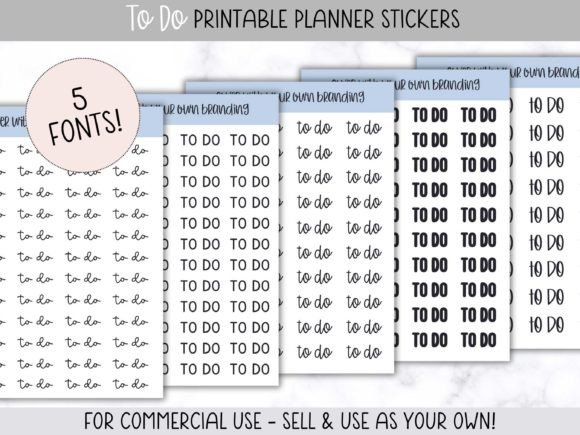
In the fast-paced world of digital design, efficiency is a key component of a successful creative workflow. For graphic designers, entrepreneurs, and content creators, the ability to produce high-quality, cohesive visual assets quickly can significantly impact productivity and brand consistency. This is where thoughtfully crafted design resources, such as To Do Printable Planner Stickers, become invaluable tools in a designer's toolkit, offering a blend of aesthetic appeal and practical functionality that can elevate various projects.
The Role of Quality Visual Assets in Modern Design
Effective visual communication relies on a harmonious balance of typography, color, composition, and imagery. Pre-designed elements like printable sticker sheets serve as versatile components that can be integrated into a wide array of creative applications. They are not merely decorative; when selected with care, they contribute to a strong visual hierarchy, enhance user engagement, and support a clear brand identity. The value lies in their ability to provide a polished, professional starting point that can be customized to fit specific design goals.
Practical Applications Across Creative Disciplines
The utility of a well-designed sticker sheet extends far beyond personal planners. Consider these professional contexts where such assets prove beneficial:
- Branding and Marketing Collateral: Integrate consistent graphic elements into social media graphics, email newsletters, and digital advertisements to reinforce brand recognition. The cohesive style of a pre-designed set ensures visual harmony across platforms.
- Editorial and Web Design: Use sticker-like icons and labels to break up text in blog posts, create engaging infographics, or design interactive elements for websites and UI interfaces, improving the overall user experience.
- Packaging and Merchandise: Apply printable designs to product labels, packaging inserts, or custom merchandise. The print-ready format and CMYK color profile ensure what you see on screen translates accurately to physical products.
- Digital Products and Lead Magnets: For bloggers and online creators, offering a set of beautifully designed printable stickers as a freebie or giveaway is an excellent way to provide value, grow an audience, and showcase design sensibility.
Evaluating and Implementing Design Elements Effectively
When incorporating any creative asset into your work, a strategic approach is essential. To maximize the impact of resources like printable planner stickers, consider the following factors:
- Consistency and Scalability: Ensure the asset's style—whether minimalist, illustrative, or typographic—aligns with your existing brand palette and overall aesthetic. High-resolution PNG files and scalable vector-based cut files are crucial for maintaining quality across different sizes and mediums.
- Audience and Purpose: The design should resonate with your target audience and serve a clear functional purpose. A to-do list sticker, for instance, is more than a pretty graphic; it's a tool for organization that should be legible and intuitive.
- Technical Compatibility: Verify that the files are compatible with your workflow. Assets provided with transparent backgrounds, multiple file formats (like PNG and SVG), and guides for cutting machines (Silhouette, Cricut) streamline the production process, whether you're creating digital products or physical prints.
Typography, even within small sticker elements, plays a critical role. The font choices, kerning, and hierarchy within the design contribute to its readability and overall professional presentation. Similarly, a thoughtful color palette that considers both screen (RGB) and print (CMYK) outputs ensures consistency and prevents unexpected results.
Ultimately, the strategic use of high-quality, pre-designed creative assets is a hallmark of a smart and efficient design workflow. They save valuable time, provide professional-grade starting points, and allow creators to focus on customization and innovation. By carefully selecting and thoughtfully integrating elements that align with your brand's visual language and project objectives, you can enhance both the aesthetic appeal and communicative power of your work, leading to more engaging and effective design outcomes.