Unlocking Wild Aesthetics with Safari Patterns & Animal Print SVG
There’s an immediate, visceral energy that comes with animal prints—a timeless appeal that translates powerfully from the runway to the digital canvas. In the realm of graphic design, these organic textures offer more than just visual flair; they provide a sophisticated way to inject personality, movement, and boldness into any creative project. Whether you are building a brand identity or curating a social media feed, the right visual assets can transform a standard layout into an immersive experience.
The Strategic Value of Vector-Based Textures
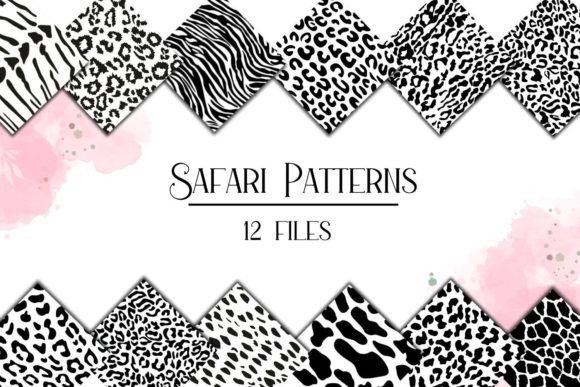
When sourcing assets for professional work, file quality dictates the final output. This is where a curated collection of Safari Patterns, Animal Print SVG files becomes indispensable. Unlike raster images that pixelate upon scaling, SVG (Scalable Vector Graphics) files maintain mathematical precision at any size. This ensures that whether you are designing a massive billboard or a delicate business card, your textures remain crisp and professional.
The versatility of these files extends beyond simple backgrounds. A high-quality set of animal prints—encompassing leopard, zebra, and tiger motifs—allows designers to create complex visual hierarchies. By layering these patterns with typography and color palettes, you can guide the viewer’s eye and establish a focal point that demands attention.
Practical Applications for Modern Creatives
Integrating animal prints into your design workflow requires a balance of boldness and restraint. These patterns are powerful, so they are best used to accentuate rather than overwhelm. Here are several ways to leverage these assets effectively:
- Brand Identity & Logo Design: Use subtle texture overlays to add depth to logos or create distinctive packaging that stands out on retail shelves.
- Digital Marketing & Social Media: Animal prints are proven to stop the scroll. Use them as borders, story backgrounds, or accent shapes to boost engagement.
- Web & UI Design: Incorporate these patterns into hero sections or call-to-action buttons to create a dynamic user interface that feels modern and energetic.
- Editorial & Print Design: From magazine spreads to event invitations, these textures add a layer of tactile sophistication to flat media.
Design Tips for Implementation
To ensure your designs remain cohesive, consider the "less is more" principle. A zebra stripe might work perfectly as a header background, but using it for the entire page could cause visual fatigue. Pair these strong patterns with clean sans-serif typography to maintain readability. Furthermore, consider the psychological impact of color; while traditional tones evoke nature, stylized versions in neon or pastel can align with contemporary design trends and specific audience demographics.
Ultimately, the goal of using Safari Patterns is to enhance communication. By selecting assets that are scalable, versatile, and aesthetically aligned with your project's goals, you ensure that your work not only looks premium but also resonates deeply with your audience. Thoughtful asset selection is the bridge between a good design and a memorable one.