Visual Discovery: I Spy Valentine’s Day Activity Sheets
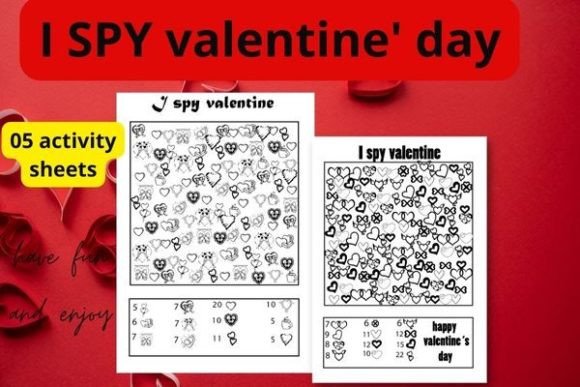
In the realm of modern design, the ability to guide the viewer's eye is a fundamental skill that separates amateur work from professional execution. I Spy Valentine’s Day Activity Sheets offer a unique case study in visual hierarchy and user engagement, providing an interactive experience that goes beyond simple aesthetics. By challenging users to locate and count specific elements, such as heart icons, these sheets demonstrate how layout and composition can direct attention and create a rewarding experience. For designers and educators alike, understanding the mechanics behind a successful "find and count" activity can inform better design decisions across various media.
The Design Principles Behind Effective Visual Puzzles
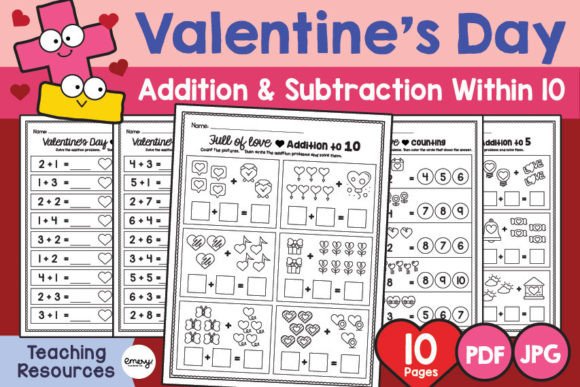
At its core, an I spy activity is an exercise in visual discrimination. The designer must balance complexity with clarity, ensuring that the target elements are integrated into the scene without being immediately obvious. This requires a thoughtful approach to composition, where every icon, shape, and line serves a purpose. The included Valentine’s Day sheets, for instance, use a black-and-white color palette to eliminate color-based distractions, forcing the user to rely on shape recognition and spatial awareness. This minimalist approach aligns with modern design trends that prioritize clean communication and functional elegance.
Key Elements for Visual Engagement
- Visual Hierarchy: Arranging elements to create a natural flow, guiding the user from one section to another.
- Consistency: Using uniform icon styles and spacing to maintain a cohesive look and feel.
- Scalability: Ensuring that the design works at various sizes, from digital screens to printed sheets.
- Readability: Balancing detail with simplicity so that the activity remains accessible and enjoyable.
Practical Applications Beyond the Classroom
While these activity sheets are perfect for keeping children entertained, their design principles have broader applications. In branding and logo design, the same skills used to create an engaging I spy scene can help develop logos that are memorable and easy to recognize. In marketing materials, visual puzzles can increase engagement by encouraging interaction, turning passive viewers into active participants. Social media graphics, for example, can incorporate similar find-and-count mechanics to boost user interaction and shareability.
Integrating Interactive Design into Your Workflow
- Define Your Objective: Determine what you want the user to do—find an item, count elements, or follow a sequence.
- Choose a Visual Style: Select a consistent aesthetic, whether it’s minimalist line art, detailed illustrations, or abstract shapes.
- Plan the Layout: Use grids and alignment tools to organize elements, ensuring a balanced composition.
- Test for Usability: Print or display the design at its intended size to verify that elements are distinguishable and the activity flows smoothly.
In editorial design and packaging, interactive elements can add value and differentiate a product. Imagine a magazine spread or product label that invites the reader to engage with the design, creating a memorable brand experience. Similarly, in UI and web design, subtle interactive cues can guide users through a digital interface, improving navigation and overall user experience. The principles demonstrated by I Spy Valentine’s Day Activity Sheets—clarity, engagement, and thoughtful composition—are universally applicable to any project where visual communication is key.
Elevating Your Creative Projects
Whether you are designing a presentation, creating merchandise, or developing a digital product, the quality of your visual assets matters. High-resolution, print-ready files ensure that your designs look professional in any context. The included sheets, formatted at 8.5×11 inches and 300 dpi, exemplify the importance of technical precision in print design. By choosing assets that are both aesthetically pleasing and technically sound, you can streamline your design workflow and achieve consistent results across all platforms.
Ultimately, the value of a well-designed activity sheet lies in its ability to communicate effectively and engage its audience. By studying and applying the visual principles behind these I spy sheets, designers can enhance their own work, creating designs that are not only beautiful but also functional and impactful. Thoughtful design choices, from typography to composition, can transform a simple activity into a powerful tool for learning, branding, and creative expression.