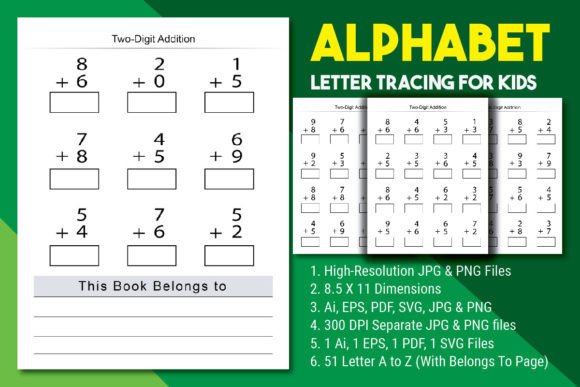
Addition Math Activity Worksheets: A Design Asset for Modern Education
In the visually-driven world of educational content, the design of learning materials is as critical as the curriculum itself. A well-crafted resource like a set of Addition Math Activity Worksheets transcends mere functionality; it becomes a tool for engagement, clarity, and brand building. For graphic designers and content creators, these assets represent a niche where practical utility meets creative expression, offering a canvas to blend pedagogical effectiveness with compelling visual design.
The Role of Visual Design in Educational Assets
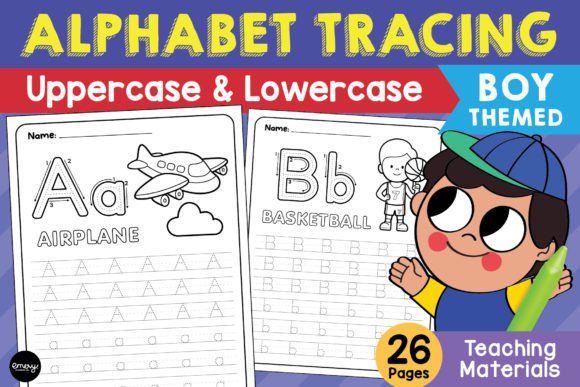
Effective educational materials rely on strong visual hierarchy and readability. For young learners, this means clean layouts, ample white space, and intuitive organization that guides the eye without causing distraction. A professionally designed worksheet uses typography that is clear and accessible, with a color palette that is engaging yet not overwhelming. The goal is to create a seamless user experience (UX) that supports the learning objective, turning a simple math problem into an inviting activity.
Practical Applications for Creators and Businesses
The utility of a high-quality template like this extends far beyond a single classroom. Its structured, printable format makes it a versatile creative asset for numerous projects:
- Digital Product Creation: Use the provided files (PDF, PNG, SVG) to quickly assemble and sell ready-to-use activity books on platforms like Amazon KDP or Etsy.
- Brand Identity for Educators: Tutors, learning centers, and ed-tech startups can customize these templates to align with their brand identity, using consistent colors and logos to build recognition.
- Content Marketing: Offer individual worksheets as free downloads to generate leads for an educational business, showcasing your design quality and teaching philosophy.
- Merchandise and Packaging: Adapt the charming illustrations and layouts for related products like reward stickers, flashcards, or the packaging for a complete learning kit.
Evaluating and Customizing Design Templates
When selecting or working with a template, professional scrutiny is key. Assess the scalability of the vector files (AI, EPS, SVG) for both digital and print applications. Consider the composition—is there enough flexibility to add your own clip art or rearrange pages without breaking the visual flow? The provided "Belongs to" page is a thoughtful touch for personalization, a critical step for establishing ownership in a crowded marketplace.
To maximize impact, consider these design workflow tips:
- Customize Thoroughly: Go beyond adding a logo. Adjust the page titles, integrate your unique color palette, and select fonts that complement your existing brand system to create a truly cohesive product.
- Enhance with Illustration: Use the high-resolution PNG files as a base. Overlay custom illustrations or social media graphics to create promotional materials that are visually consistent with the product itself.
- Test for Usability: Print a test page. Evaluate the clarity of the instructions, the spacing for small hands to write, and the overall print design quality on standard paper.
Ultimately, the value of a resource like this lies in its potential. It provides a professional presentation framework that saves hours of foundational design work, allowing creators to focus on customization and strategic deployment. By applying principles of modern aesthetics and thoughtful visual communication, you can transform a standard worksheet into a powerful tool that enhances both learning outcomes and your creative portfolio. Thoughtful design choices in educational materials do more than teach—they inspire confidence and foster a positive relationship with learning from the very first page.