Tracing Activity Sheets: A Design Asset for Early Learning
Every visual creator understands the power of foundational tools, and for early childhood education, few are as impactful as well-designed Tracing Activity Sheets for Kids. These resources are more than simple worksheets; they are meticulously crafted educational instruments that blend clear graphic design principles with developmental psychology. In a world saturated with digital content, the tactile experience of a tracing activity book offers a focused, screen-free method for young children to build essential motor skills. For designers and educators, creating or selecting these materials requires an understanding of visual hierarchy, typography, and user experience tailored for a preschool audience.
The Visual Design Principles Behind Effective Tracing Sheets
The effectiveness of a Tracking Activity Book hinges on its visual design. Unlike standard branding projects where aesthetics drive engagement, here the design must prioritize clarity and function. The primary goal is to create a seamless user journey from the eye to the hand. This involves careful consideration of line weight, spacing, and color palette. For instance, the tracking lines used for letters and numbers must be distinct enough to guide a child's pencil without causing visual clutter. A professional design approach ensures that each element—from the Trace the alphabet guides to the tracking forms—serves a clear, developmental purpose.
Key Design Elements for Educational Impact
When evaluating or creating resources like a Learn to trace workbook, several core design components determine their success. These principles are directly applicable to broader graphic design and user interface projects.
- Typography as a Guide: The letterforms and numerals are not just content; they are the primary visual interface. Using clean, sans-serif fonts with uniform stroke widths enhances readability and provides consistent guides for handwriting for educational materials. The spacing between dotted lines is a critical typographic detail that affects the child's ability to form letters correctly.
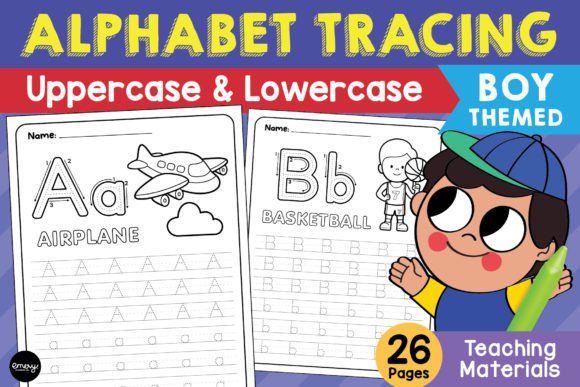
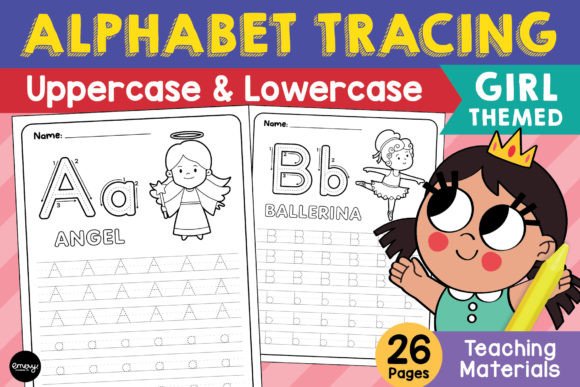
- Visual Hierarchy and Layout: An effective Primer page uses hierarchy to direct attention. A large, clear example of a letter or number is followed by progressively guided practice lines. This structure mirrors best practices in editorial design, where content is organized to guide the reader's eye naturally through the information.
- Color and Imagery: Strategic use of color can segment activities, highlight starting points, or simply make the page more engaging. However, restraint is key. A cohesive color palette supports the learning objective without overwhelming the child. Simple, recognizable icons or illustrations can provide context, much like how icons function in UI design to aid recognition.
Practical Applications and Creative Workflow
The utility of a high-quality Skills activity pack extends beyond the classroom. For creative professionals, these assets represent a specific design niche with wide application. Consider the following scenarios where such materials are invaluable:
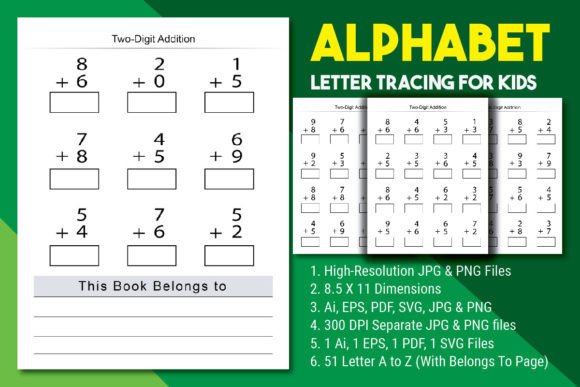
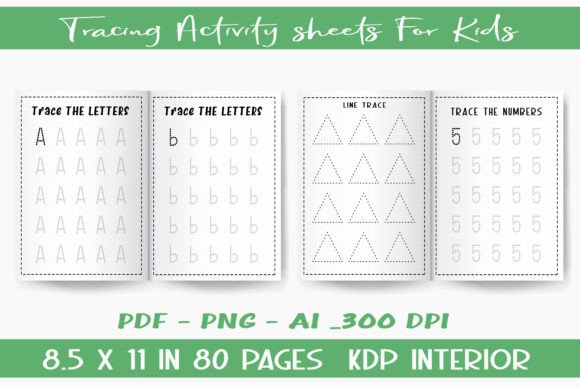
- Digital Product Creation: Designers can package Tracing Activity Sheets for Kids into downloadable PDFs or printable workbooks. This involves creating editable, high-quality files (like the 8.5" x 11" JPGs mentioned) that are optimized for both screen viewing and physical printing. This is a direct application of print design and digital product workflow.
- Brand Identity for Educational Startups: A cohesive set of tracing sheets can be a core component of a preschool or educational brand's identity. The consistent use of shapes, colors, and character designs across all materials—from the Peek at the activities preview to the final workbook—builds brand recognition and trust.
- Custom Merchandise and Packaging: The designs from a tracking numbers or alphabet section can be adapted for merchandise like posters, flashcards, or packaging for educational kits. This requires scalable vector graphics to maintain quality across different applications, a fundamental skill in logo and packaging design.
For those sourcing these materials, evaluating them requires a designer's eye. Look for consistency in line quality, logical progression in difficulty, and a clean, uncluttered layout. The file format is crucial; editable, high-resolution files allow for customization to fit specific curricula or brand guidelines. A well-organized file structure, such as a zip folder with clearly labeled PDF and JPG assets, reflects a professional design workflow and saves valuable time during implementation.
Ultimately, the power of a thoughtfully designed Tracing Activity Sheets for Kids collection lies in its ability to make learning intuitive and enjoyable. It demonstrates how fundamental design principles—clarity, consistency, and user-centricity—can be applied to create tools that have a lasting, positive impact. Whether you are an educator enhancing your classroom resources, a designer expanding into the educational market, or a parent seeking quality materials, investing in well-crafted creative assets ensures that the foundation for learning is as strong and clear as the lines on the page.